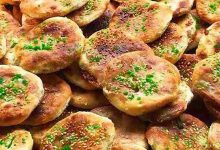
炙子烤肉介绍(Zhizi Kao Rou / Iron Griddle Barbecue)
中文介绍
炙子烤肉是中国北方,尤其是北京地区极具代表性的传统特色美食,其历史可追溯至清代,最初与满族人的饮食习惯相关,后逐渐融入京城饮食文化,成为跨越百年、深受大众喜爱的 “老北京味道”,如今更是各地食客到北京必尝的经典菜肴之一。武夷山特产网 www.chinawys.com
它的核心特色在于 “炙子”—— 一种特制的圆形或方形铸铁烤板,厚度通常在 1-2 厘米,表面带有细密纹路。这种烤板导热均匀且蓄热能力强,能快速锁住食材水分,同时让肉香充分释放。传统炙子烤肉多为 “炭火炙烤”,以果木炭(如梨木、枣木炭)为燃料,炭火的香气会透过炙子的纹路渗入肉中,形成独特的焦香风味;现代餐厅则常改用电加热或燃气加热的炙子,在保留传统口感的同时更符合环保需求。

经典食材与腌制
炙子烤肉的食材以肉类为主,搭配蔬菜解腻,其中最经典的组合如下:
肉类:首选新鲜的羊肉(如羊后腿肉、羊里脊),肉质鲜嫩无膻味;其次是牛肉(牛里脊、牛上脑),口感紧实有嚼劲;部分店铺还提供猪肉、鸡肉等选择。肉类需切成厚度约 0.3 厘米的薄片,刀工讲究 “薄而不碎、匀而不散”,方便快速烤熟。
腌制:肉片腌制是风味的关键,传统配方会加入生抽、料酒、葱姜末、少许白糖(提鲜)、淀粉(锁住水分),部分店家还会加入自制酱料或花椒水去除腥味;若烤羊肉,有时会加入少量孜然、辣椒面提前拌匀,突出西北风味。
配菜:经典配菜包括洋葱片、香菜段、青椒片、金针菇、土豆片等,既能吸收肉类的油脂,又能通过炙烤增添自身的鲜香,与肉片搭配食用,口感更丰富。
食用方式与文化
炙子烤肉的食用充满 “互动感”,传统吃法多为 “现烤现吃”:服务员会将腌制好的肉片和配菜一同端上桌,放在预热好的炙子上,肉片接触炙子瞬间会发出 “滋滋” 的声响,油脂随之渗出,香气四溢。食客可根据自己的喜好控制烤制时间,待肉片边缘微焦、颜色变深时即可食用。
食用时,通常会搭配 “荷叶饼” 或 “芝麻烧饼”:将烤好的肉片和配菜裹入荷叶饼中,再加入少许甜面酱或蒜蓉酱,一口下去,饼的柔软、肉的焦香、菜的清爽与酱料的咸香融合,层次丰富;也有人喜欢直接用筷子夹起肉片,蘸取干料(孜然粉、辣椒粉、盐混合)食用,更能凸显肉的本味。
如今,炙子烤肉不仅是一道美食,更承载着老北京的饮食文化与市井记忆 —— 过去的烤肉馆多为热闹的 “大炙子”,三五好友围坐一桌,边烤边聊,烟火气十足;如今虽环境升级,但那份 “现烤现吃” 的热闹与鲜香,始终是炙子烤肉最吸引人的魅力。
English Introduction
Zhizi Kao Rou, or Iron Griddle Barbecue, is a iconic traditional delicacy from northern China, especially prominent in Beijing. Its history dates back to the Qing Dynasty (1636-1912), originally linked to the dietary habits of the Manchu people. Later, it integrated into Beijing’s food culture, becoming a “classic Beijing flavor” cherished for over a century and a must-try dish for diners visiting the city today.
The core feature of this dish lies in the “zhizi” — a specially made round or square cast-iron griddle, usually 1-2 centimeters thick with fine grooves on its surface. This griddle conducts heat evenly and retains it well, quickly locking in the moisture of ingredients while fully releasing the aroma of meat. Traditionally, Zhizi Kao Rou relied on “charcoal grilling,” using fruit tree charcoal (such as pear or jujube wood) as fuel. The charcoal’s fragrance seeps into the meat through the griddle’s grooves, creating a unique roasted aroma. Modern restaurants often switch to electric or gas-heated griddles, preserving the traditional taste while meeting environmental standards.
Classic Ingredients & Marination 武夷山特产网 www.chinawys.com
Zhizi Kao Rou mainly uses meat, paired with vegetables to cut through greasiness. The classic combinations are as follows:
Meat: Fresh lamb (e.g., lamb leg or tenderloin) is the top choice, with tender flesh and no gamey taste; beef (e.g., beef tenderloin or upper rib) is also popular, offering a firm and chewy texture. Some restaurants also provide pork, chicken, etc. The meat must be sliced into thin pieces (about 0.3 cm thick), with the knife work requiring “thin but not broken, even but not scattered” to ensure quick cooking.
Marination: Marination is key to the flavor. The traditional recipe includes light soy sauce, cooking wine, minced green onion and ginger, a little sugar (for umami), and starch (to lock in moisture). Some restaurants add homemade sauce or Sichuan pepper water to remove any undesirable odors. For lamb, a small amount of cumin or chili powder is sometimes mixed in advance to highlight the northwest Chinese flavor.
Side Dishes: Classic sides include sliced onions, cilantro segments, green pepper slices, enoki mushrooms, and potato slices. These absorb the meat’s oil while gaining a fragrant taste from grilling, complementing the meat and enriching the texture.
Serving Style & Culture
Zhizi Kao Rou is enjoyed with a strong “interactive vibe.” The traditional way is “grill and eat on the spot”: waiters bring marinated meat slices and side dishes to the table, placing them on the preheated griddle. The meat sizzles immediately upon contact with the hot griddle, releasing oil and a rich aroma. Diners can control the cooking time according to their preferences — the meat is ready when its edges turn slightly charred and its color darkens.
It is typically served with “lotus leaf pancakes” or “sesame baked buns”: Wrap the grilled meat and vegetables in a lotus leaf pancake, add a little sweet bean sauce or garlic sauce, and take a bite. The softness of the pancake, the roasted aroma of the meat, the freshness of the vegetables, and the saltiness of the sauce blend perfectly, creating a multi-layered taste. Some people also prefer to pick up the meat slices with chopsticks and dip them in dry seasonings (a mix of cumin powder, chili powder, and salt) to highlight the meat’s original flavor.
Today, Zhizi Kao Rou is more than just a dish — it carries the dietary culture and nostalgic memories of old Beijing. In the past, barbecue restaurants often had large griddles, where friends gathered around, grilling and chatting amid a lively, smoky atmosphere. Although the environment has improved now, the lively atmosphere and fresh, fragrant taste of “grilling and eating on the spot” remain the most appealing charm of Zhizi Kao Rou.